Bestiaire

The Collection of Todd & Evelyn Arkebauer

Le Bestiaire Animal-Centric Art Nouveau Ceramics France and Continental Europe, 1870–1920

A scholarly archive for animal-centered Art Nouveau ceramics, with object records, maker files, geographic context, and image-led navigation through rare faunal and fantastical forms.

Installation View
Reference photograph · mural wall and cabinet display

An archive built like an exhibition.

Bestiaire is a photographic index of Art Nouveau ceramics where the animal classification is the map. Browse by creature, maker, treatment, and place, then move into the details: the influence of Japonisme and Symbolism, marks, provenance, and comparable works.

20
Animal groups
1870–1920
Core period
Detail studies

Animals

Browse the archive by animal group and subcategory.

Featured Artists & Makers

Explore the individuals, ateliers, and manufactories behind the ceramic works in the Bestiaire.

Artists

Individual Ceramists, Decorators, Designers, and Sculptors

Featured Sculptor

Jean-Désiré Ringel d’Illzach Jean-Désiré Ringel d’Illzach

Alphonse Bertillon's 1903 photographic portrait of Jean-Désiré Ringel d'Illzach belongs to the Musée d'art moderne et contemporain de Strasbourg.

Sculptor, medalist, and ceramic modeler whose Alsatian identity and Japoniste bestiary place him among the most distinctive creators of Art Nouveau animal sculpture.

Makers

Ateliers, Faïenceries, Manufactories, Potteries, and Firms

Featured Pottery

Clément Massier’s La Poterie du Golfe-Juan Clément Massier’s La Poterie du Golfe-Juan

La Poterie du Golfe-Juan: the Clément Massier showroom and gardens, Golfe-Juan, undated postcard, early twentieth century. The printed legend reads “Clément Massier est au Golfe-Juan pas ailleurs” — Clément Massier is at Golfe-Juan, nowhere else.

The Riviera manufactory where metallic luster was reborn: from 1883 Clément Massier ran Golfe-Juan as artist, chemist and impresario at once, and with Lucien Lévy-Dhurmer made iridescence itself the medium through which birds, sea creatures, insects, and bats move as though lit from inside the glaze.

Countries & Regions

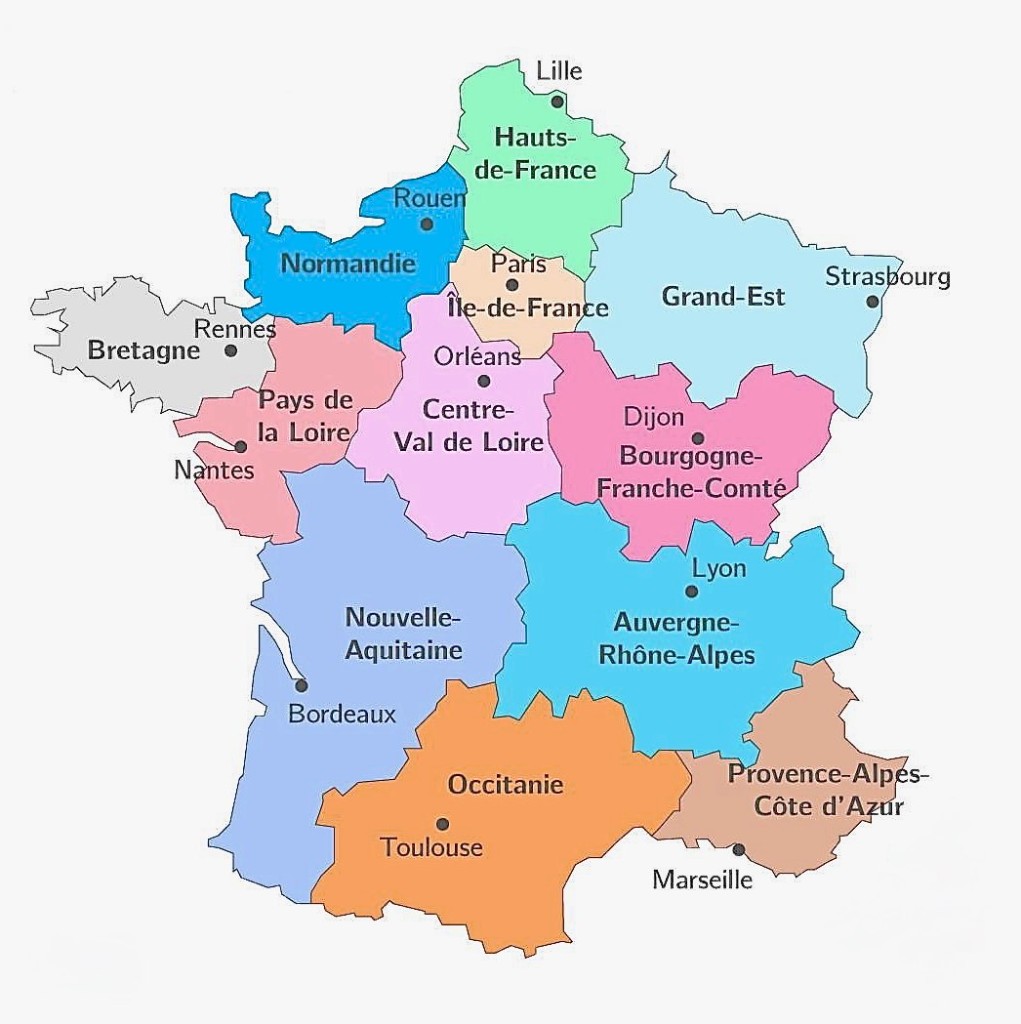
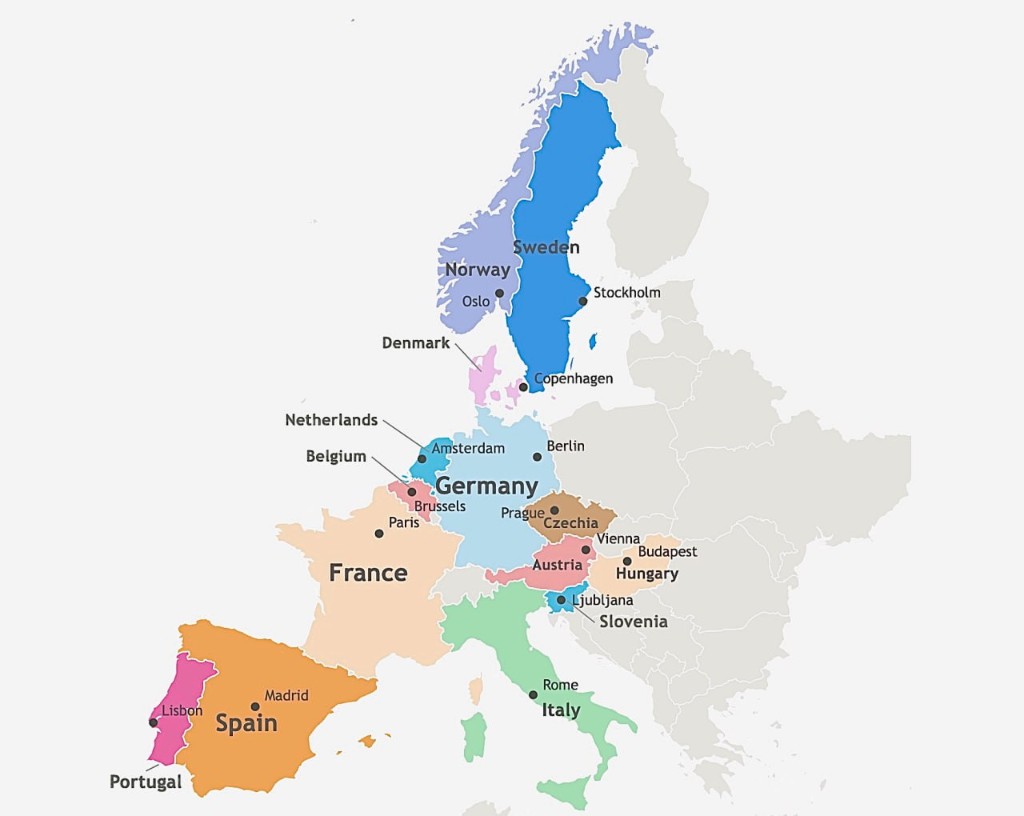
Explore the geographic centers of Art Nouveau ceramic production, from France’s regional ateliers and manufactories to related makers across Continental Europe.

The archive brings object records, images, makers, places, and animal classifications into a single structure for sustained study.
Curatorial note · Bestiaire, Collection Draft