01
Cataloguing
Each record gathers core object data: title, date, material, dimensions, marks, provenance, literature, authorship, and production context.
Methodology
Le Bestiaire treats each ceramic as both an object and a piece of evidence. Every record begins with museum-style data: title, date, material, dimensions, marks, provenance, literature, authorship, and production context.
Each work is then placed within a connected system of interpretation. Animal classifications identify the creature or creatures represented; form categories describe the object type; geographic fields locate artists, ateliers, manufactories, and places of production; artist and maker dossiers link individual works to broader careers, workshops, and regional traditions.
The archive is designed for slow looking and comparative research. Commentary, related works, footnotes, and source references sit beside the object record so that visual experience and scholarship remain connected. Navigation is part of the curatorial structure: visitors can move from an object to its animal category, maker, form, material, or place without losing the thread of the collection.
Photography is treated as part of the method. Overall views, detail studies, marks, inscriptions, and surface images are used to document relief, glaze, color, and condition, allowing the ceramic object to be studied as closely as possible online.
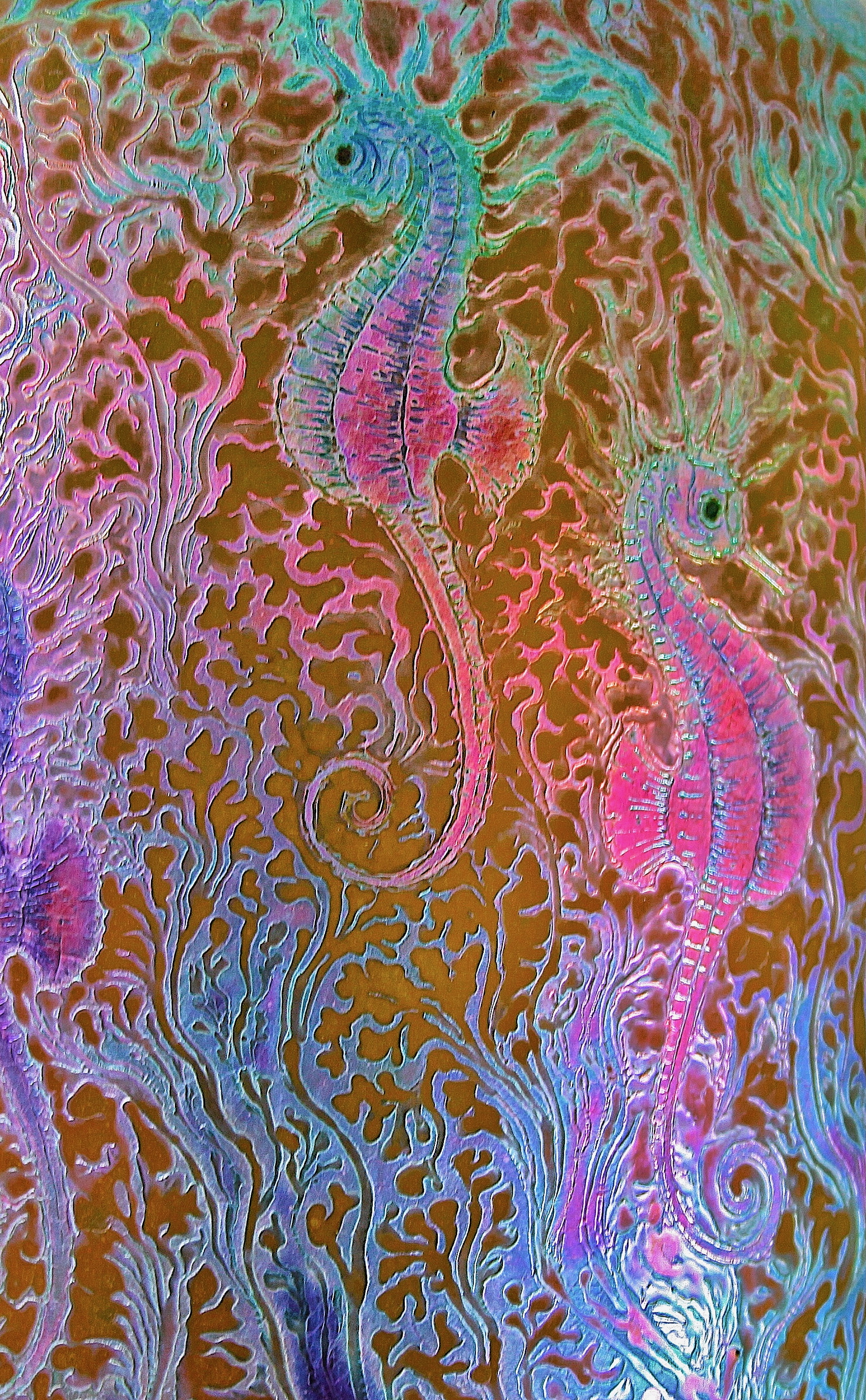
Each record gathers core object data: title, date, material, dimensions, marks, provenance, literature, authorship, and production context.
Objects are organized by animal taxonomy, ceramic form, material, maker, and geography, allowing the same work to be approached through several research paths.
The site favors image-led navigation and slow looking. Commentary, citations, and related works remain close to the object, like extended wall labels in a dark gallery.
Document overall form, details, marks, inscriptions, glaze, and surface.
Record object data using consistent fields and controlled vocabularies.
Link each work to animals, forms, makers, places, materials, and related objects.
Release records when the visual documentation, scholarship, and source references are complete.


